UI design, or user interface design, is the component of a website or app that people view and use directly. It directs how visitors browse a page, find information, press buttons, complete forms, and understand what to do next. For Syracuse companies, UI design is beyond a visual layer. It is a business tool that complements web design, boosts UX design, and helps turn traffic into leads and customers.
Good UI design creates an intuitive interface that feels easy, practical, and trustworthy. It blends visual design and interaction design so a digital product is simple to use on any device. When the interface is clear, users experience fewer obstacles, better readability, and smoother engagement. That matters for sales, service inquiries, and long-term business growth.
Sunstone Digital Tech201 E Jefferson St, Syracuse, NY 13202
(315) 758-3349
https://maps.app.goo.gl/LNcnKZaUXSqxHPoT8
https://sunstonedigitaltech.com/
43.0471862, -76.1504376
What Is UI Design?
User interface design is the practice of planning and developing the parts of a website or app that users use. It involves structuring, tone, white space, typography, navigation, visual hierarchy, and the way pages change when someone taps. In simple terms, UI design decides how a digital experience appears and functions.
While UX design centres on the broader customer journey, UI design zooms in on the touchpoints inside that journey. That means the designer plans for how people move from a homepage to a service page, how they read content, where they look first, and how they complete tasks. Strong information architecture and clear interaction patterns make those steps feel intuitive.
UI design also relies on visual clarity and usability. A well-designed interface helps users see clearly what each page does without friction. This is especially important for service businesses that need people to get a quote, reserve a time, or ask a question quickly.
In practice, UI design often opens with wireframes and moves into prototypes. Wireframes outline the structure of a page, while prototypes show how the interface behaves before the full build. This process helps teams refine the design before launch, which reduces time and minimizes costly revisions.
How UI Design Drives Results for Business Results
UI design plays a key role because it https://auburn-ny-ka330.lumenforgex.com/posts/how-much-will-it-cost-to-go-in-syracuse-ny affects how easily people can use a site and whether they take action. A intuitive interface improves user experience, builds customer trust, and supports better conversion rate performance. When people can find what they need without frustration, they are more likely to contact the business, make a purchase, or return later.
One of the biggest ways UI design influences results is through friction reduction. If a site has too many steps, confusing labels, or hidden information, visitors leave before converting. If the layout is clear and the next step is obvious, users move forward with less hesitation. That is where conversion optimization begins.
UI design also shapes trust signals. People often decide whether a company feels credible within seconds. Clean spacing, polished visuals, strong brand consistency, and clear messaging make a site look reliable. For local service providers, this can be the difference between a lost visitor and a qualified lead.
Another key benefit is better engagement. An organized interface encourages people to explore more pages, read more content, and interact with the site longer. That can improve lead quality and help companies understand what matters most to their audience. In short, good UI design supports better performance across the full customer journey.
Why UI Design Supports Web Design and SEO Services
Interface design is a key part of high-performing web design. A well-built website is not only attractive; it is also user-friendly, quick to scan, and simple to navigate. When UI decisions align with the layout of the site, visitors can move through the content more efficiently, and search engines can better read the page organization.
This is where SEO services and UI design work together. Search visibility is not just about keywords. It is also about how well a website meets search intent and how smoothly users can engage with the information they find. If a page addresses the query but the interface is unclear, visitors may leave quickly. That sends a weak signal about the experience.
Effective UI design improves site structure by making menus, page sections, and internal pathways more intuitive to follow. Clear navigation assists users and search engines alike. When a site is arranged clearly, it is easier to develop topic clusters, tie together related pages, and guide people to the next step.
For example, a Syracuse plumbing company might have separate pages for emergency repairs, drain cleaning, water heater installation, and maintenance plans. If the site uses obvious labels, consistent buttons, and prominent contact options, it becomes easier for both users and search engines to interpret the business services. That improves discoverability and can drive more qualified traffic.
UI design also supports with mobile behavior, which matters a great deal for local search. Many users want quick answers, especially when they are weighing choices on the go. A responsive, mobile-friendly UI supports better reading, fewer misclicks, and quicker actions. That is important for any business investing in SEO services and wanting those visits to turn into leads.
UI Design in Online Marketing Campaigns
Digital marketing campaigns deliver the strongest results when the destination page is built to generate action. Ads, email promotions, and social posts may capture notice, but the landing experience shows whether that attention becomes action. UI design equips marketers the structure they need to guide visitors toward a clear outcome.
Landing pages are one of the strongest examples. A strong landing page uses targeted messaging, a specific goal, and visible calls to action. It eliminates distractions and makes it easy to see what the visitor should do next. This could be requesting a consultation, scheduling a service, or downloading information.
The design of the page influences how people read the offer. If the headline is hard to scan, the layout is cluttered, or the form is too long, conversions often drop. A clean interface improves better conversion rate performance because it keeps the visitor on track and moving forward.
UI design also strengthens how marketers use analytics. When the layout is well arranged and user actions are clear, teams can better analyze which pages are performing and where people drop off. This helps improve the digital experience over time. Marketers can test different layouts, refine messaging, and shape the user flow based on real behavior.
For businesses running seasonal promotions, local offers, or service-specific campaigns, UI design ensures that the message is quick to read and take action on. A strong interface makes the campaign feel trustworthy and easy, which supports stronger engagement and better lead generation.
What Defines a Strong UI Design?
Effective UI design blends strategy, clear communication, and cohesion. It is not about introducing extra visual elements. It is about helping make the right elements more convenient to use. Several core principles define a strong interface.
- Consistency: Pages should feel cohesive through the same colors, styles, button shapes, and tone. This supports brand consistency and helps users master the interface faster. Accessibility: Interfaces should support people with different abilities, devices, and browsing conditions. Strong accessibility and accessibility standards make content more usable for a wider audience. Navigation: Menus, links, and page pathways should be simple to follow and easy to use. Good navigation reduces confusion and helps users find the right content quickly. Visual hierarchy: Important messages, headlines, and actions should stand out first. Clear visual hierarchy helps people scan and understand pages with less effort.
Other important qualities include clean spacing, strong contrast, readable type, and a responsive layout. These support readability, scannability, and overall usability. On a busy service page, for example, users should be able to spot the main benefit, view the next step, and complete the form without searching too hard.
Good UI design also respects mobile-first design. Since many users browse first on phones, the interface should be easy, touch-friendly, and quick to load. A mobile-optimized experience is not a bonus anymore; it is a baseline expectation.
Typical User Interface Design Mistakes to Watch Out For
A lot of sites fail to capture potential leads because the interface causes unnecessary friction. One common issue is a cluttered interface. As too many notes, images, or buttons vie for attention, users do not know where to look first. Such a situation weakens information hierarchy and reduces clarity.
A further concern is weak readability. Hard-to-read text, low contrast, or long unbroken paragraphs make it harder for users to scan and understand content. Once the page feels difficult to read, visitors are more hesitant to continue. It is especially important on mobile devices, where screen space is limited.
A weak CTA can also hurt results. If the action prompt is unspecific, hidden, or repeated without purpose, users may not know what step to take. Direct action language, strong placement, and consistent design help improve response rates.
Mobile performance is another area where businesses often fall short. Small buttons, crowded forms, or menus that are hard to open on a phone can quickly drive people away. Since many local users browse while commuting, shopping, or attending events around downtown Syracuse and nearby neighborhoods, mobile experience matters a lot.
Lastly, some sites fail because they do not match the visitor’s expectations. If the content promises one thing but the interface makes it hard to find, the result is confusion. Effective UI design keeps the promise of the page aligned with the way the page works.
How AI Specialists Can Optimize UI Design Workflows
ai experts can add value to UI design workflows by streamlining research, improving design exploration, and supporting smarter testing. AI does not supersede human judgment, but it can make design teams more efficient and data-informed.
One major plus is faster prototyping. AI tools can help generate layout ideas, content variations, and interface concepts for review. Designers can then sharpen those ideas into pages that align with the brand, audience, and business goal. This reduces the path from concept to testable experience.
AI also supports personalization. Different audiences may need different journeys depending on their intent, device, or location. AI-assisted systems can help adapt messaging, recommend content, or adjust experiences in ways that improve relevance and engagement.
Another key use is testing. AI can help identify patterns in user behavior, predict possible friction points, and highlight areas that need improvement. Combined with human insight, that creates better UI decisions and more effective design changes.
For businesses investing in digital growth, this combination of AI and design can boost performance metrics across the site. Faster iteration, better targeting, and more relevant experiences all support stronger usability and more efficient conversion paths.
Why Syracuse, NY Businesses Need Strong UI Design
Syracuse, NY is a regional hub in Central New York with businesses serving both city and suburban audiences. That means companies often compete for attention from people who have many options and limited time. In a competitive market, the website has to do more than seem attractive. It has to lead visitors quickly and clearly.
Many local businesses in Syracuse depend on fast contact, quote requests, appointment booking, and service details. Whether the company is in home services, healthcare, professional services, or hospitality, the interface should make those actions obvious. The easier the site is to use, the more likely it is to support lead generation.
Think about a Syracuse-area HVAC company serving customers across Central New York. During a cold spell, people are often looking on mobile devices and want immediate responses. If the site has clear navigation, visible phone options, and a strong call to action, it becomes much easier to compete locally. If the site is hard to navigate or slow to use, visitors may move on.
Website design also supports community trust. People in the region often review several providers before reaching out. A professional interface, consistent branding, and easy-to-find service information suggest that the business is reliable and attentive. That matters for local SEO and marketing efforts because the website experience often becomes part of the decision-making process.
For Syracuse businesses, local SEO and digital marketing work best when the website interface makes it easy to get in touch, schedule, or request pricing. A strong UI turns traffic into leads.
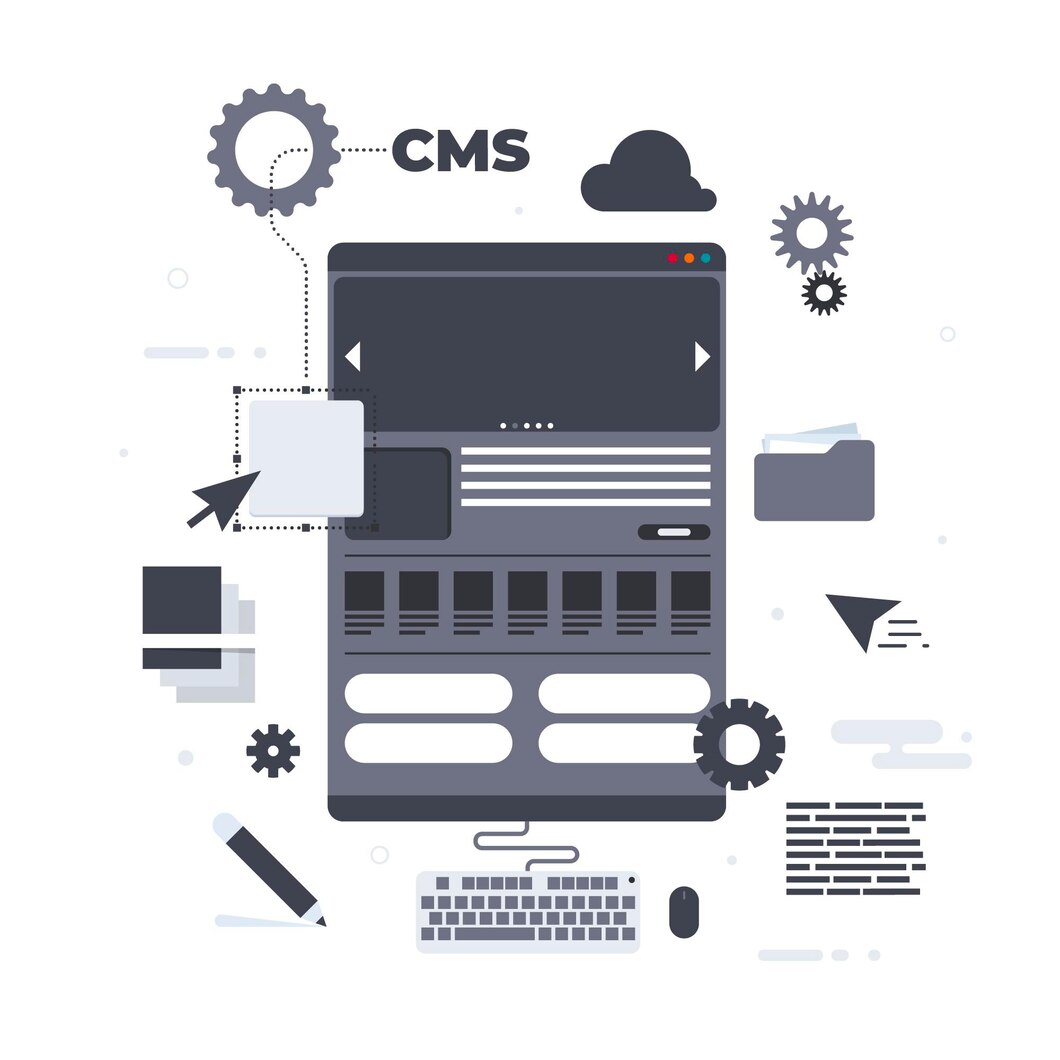
How to Evaluate UI Design on Your Website
Assessing UI design starts with looking at how real users flow through the site. One practical method is heuristic evaluation, which checks the interface against practical usability principles such as simplicity, uniformity, and confirmation. This helps identify problems before they impact too many visitors.
User testing is another important step. Watching real people finish tasks on the site can reveal issues that internal teams miss. Maybe the menu is unclear, the form is too long, or the next step is not obvious. These insights are helpful because they come from actual behavior, not assumptions.
It is also wise to review bounce rate and related performance metrics. A high bounce rate can sometimes signal that visitors are not finding what they expected or that the interface is too hard to use. While analytics do not tell the whole story, they can point to pages that need further attention.

Finally, examine the conversion funnel. Look at each step from entry page to action completed. Are users exiting on landing pages? Are forms being abandoned? Are buttons too hard to find? These are signs that the UI may need refinement.
A solid review process blends data, observation, and design judgment. When businesses treat UI as an ongoing process instead of a one-time project, they create a better user experience and better business outcomes over time.
FAQ: UI Design Basics for Beginners
What exactly is UI design in simple terms?
UI design is the way a website or app is arranged so people can navigate it easily. It includes the look and behavior of pages, such as buttons, menus, forms, and page layout. Good UI design delivers a smoother digital experience and helps users complete tasks faster.
How is UI design different from UX design?
UX design addresses the overall experience a person has with a website or product, including research, flow, and problem-solving. UI design centers on the visual and interactive parts of that experience. UX is the journey; UI is the interface that supports it.
Why does UI design matter for SEO and conversions?
UI design matters because it helps visitors locate information, trust the site, and take action. Better navigation, visual hierarchy, and readability can improve engagement and support a better conversion rate. It also helps align pages with search intent, which supports SEO results.
What are the most important parts of a good UI?
The most important parts include consistency, accessibility, clear navigation, and strong visual hierarchy. A good UI should also support mobile responsiveness, clear messaging, and easy-to-use call to action elements that guide people toward the next step.
How can Syracuse businesses improve their website UI?
Syracuse businesses can improve UI by reviewing the site on desktop and mobile, simplifying pages, testing landing pages, and making contact actions more obvious. Working with design and marketing teams, including ai experts when appropriate, can help refine wireframes, prototypes, and user flows that support business growth in Syracuse, NY and across Central New York.